
Auto Body Repair Process
If your car was hit, scraped, dented, or damaged in an accident, you may wonder what happens after you bring it to a body shop.
The auto body repair process usually starts with an estimate. From there, the repair may move through damage review, approval, teardown, hidden damage checks, supplements, parts ordering, body repair, paint, reassembly, a quality check, and final delivery.
Every vehicle is different. A small bumper scrape may be simpler than a larger collision repair. Damage behind a bumper, panel, bracket, or mounting point may also change the repair plan after closer inspection.
This guide explains the main steps in simple language so you know what to expect before, during, and after repair.
Step 1: Damage Review and Estimate
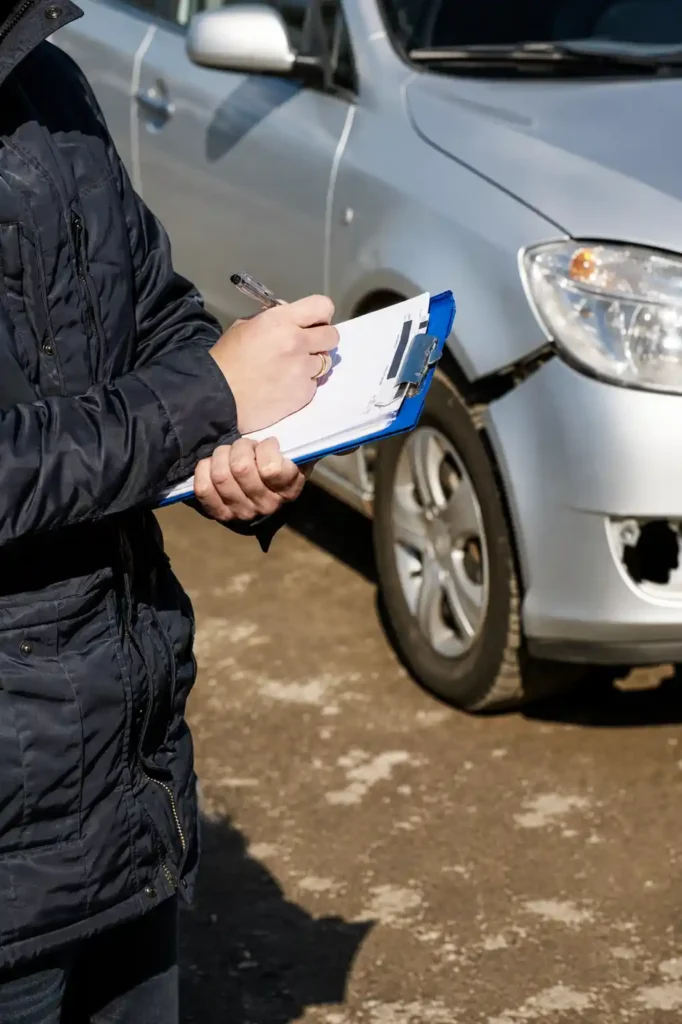
The first step is a damage review.
A team member checks the visible damage and prepares an estimate based on what can be seen at that time.
The estimate may include:
- damaged panels
- bumper damage
- dents
- scratches
- paint damage
- labor
- parts
- refinishing
- possible hidden damage notes
An estimate is not always the final repair plan. Some damage may be hidden behind the bumper cover, under panels, near brackets, or around mounting points.
If your vehicle already has visible damage, start with an estimate.
Step 2: Repair Approval or Insurance Review
Before repairs begin, the estimate may need approval.
If insurance is involved, the insurance company may review the estimate, photos, claim number, deductible, and repair details.
If you are paying directly, you can review the estimate and ask questions before approving the repair.
Good questions to ask include:
- What damage is visible?
- Could more damage appear later?
- Are parts needed?
- Will paint or refinishing be included?
- How will I be updated during repair?
- What happens if the estimate changes?
For insurance-related repair help, visit our insurance collision repair page.
Step 3: Teardown and Hidden Damage Check
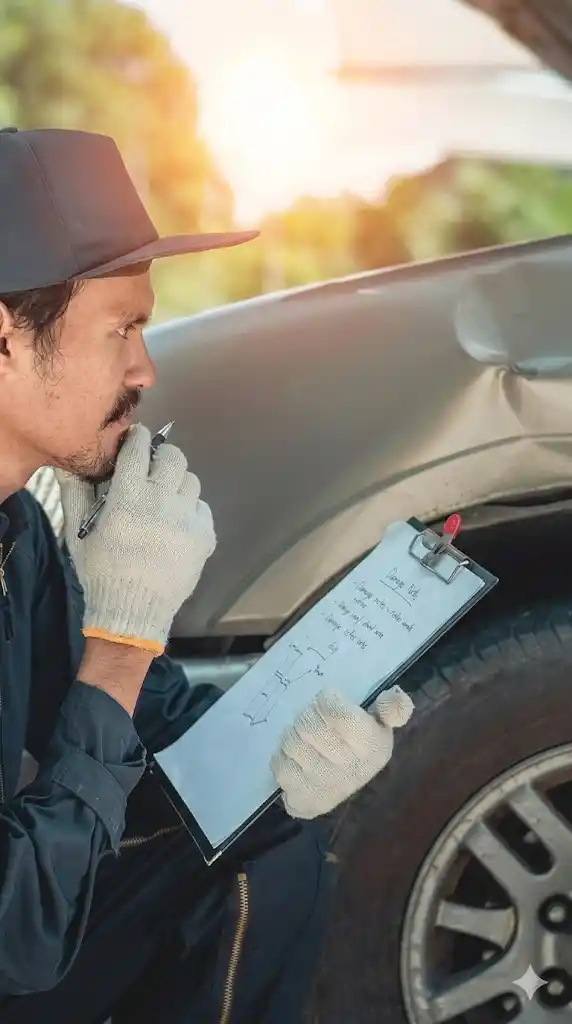
Teardown means damaged parts may be removed so the area behind the visible damage can be inspected.
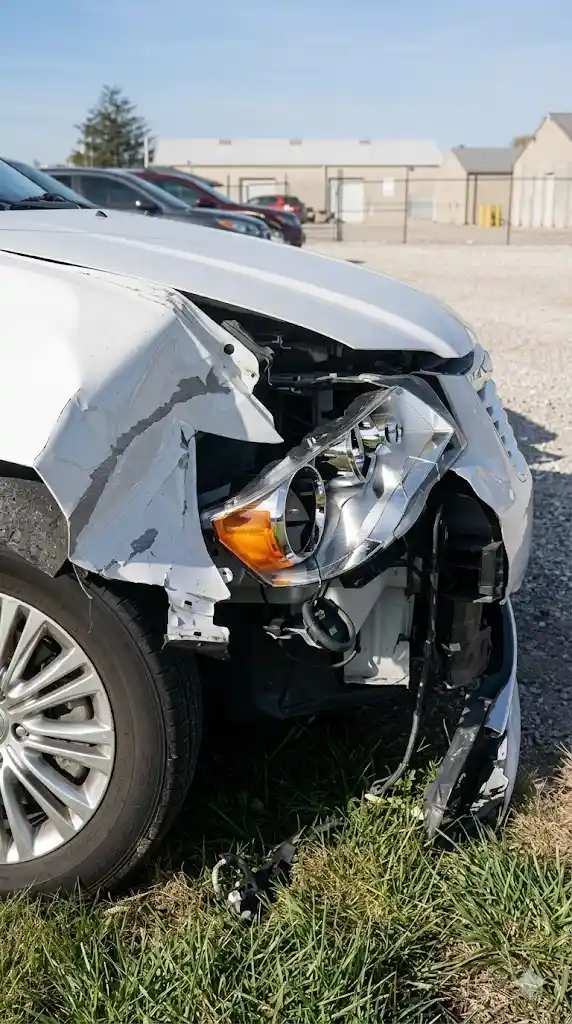
This step matters because some accident damage cannot be seen from the outside.
Hidden damage may include:
- broken clips
- damaged brackets
- bent mounting points
- damage behind the bumper
- damage behind a panel
- sensor or light issues
- frame or structural concerns
- parts that need replacement
A vehicle can look “not too bad” from the outside and still have damage behind the visible panel.
That is why the first estimate may change after teardown.
Step 4: Supplements if More Damage Is Found
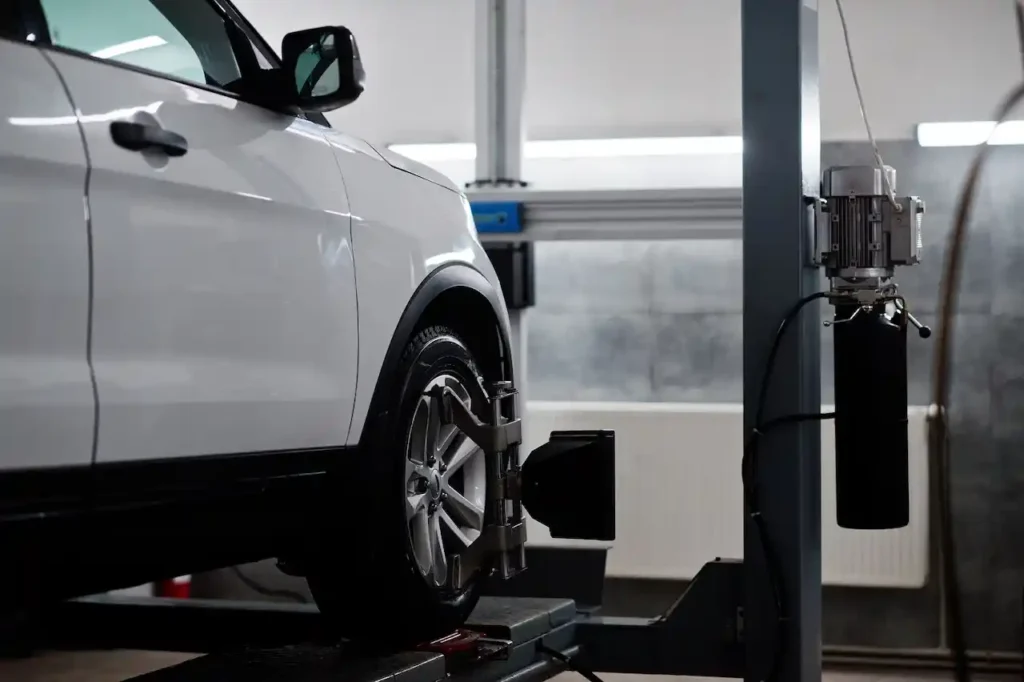
A supplement is an update to the original estimate.
This can happen when hidden damage is found after teardown or closer inspection.
A supplement may include:
- extra labor
- additional parts
- more paint or refinish work
- hidden bumper damage
- bracket or mounting damage
- additional panel repair
- insurance review notes
If insurance is involved, the supplement may need approval before the added repair work continues.
This step helps make sure the repair plan matches the actual damage.
Step 5: Parts Are Ordered and Checked
After the repair plan is clear, the shop may order or confirm the needed parts.
Parts may include:
- bumper covers
- brackets
- clips
- lamps
- trim pieces
- body panels
- fasteners
- damaged exterior components
Parts timing can affect the repair schedule. Some parts arrive quickly. Others may take longer depending on vehicle make, model, supplier availability, and delivery timing.
Once parts arrive, they should be checked before installation.
Step 6: Structural and Body Repair
Body repair is where damaged exterior areas are repaired, replaced, aligned, or prepared for refinishing.
If the accident affected deeper areas, the vehicle may also need structural review before exterior repair continues.
The body shop repair steps may include:
- removing damaged parts
- repairing dents
- replacing damaged panels
- checking panel alignment
- reviewing bumper or panel gaps
- preparing surfaces
- fitting new parts
- preparing areas for paint
This part of the process focuses on restoring damaged exterior areas before paint and reassembly.
For service-specific body repair details, visit our auto body repair page.
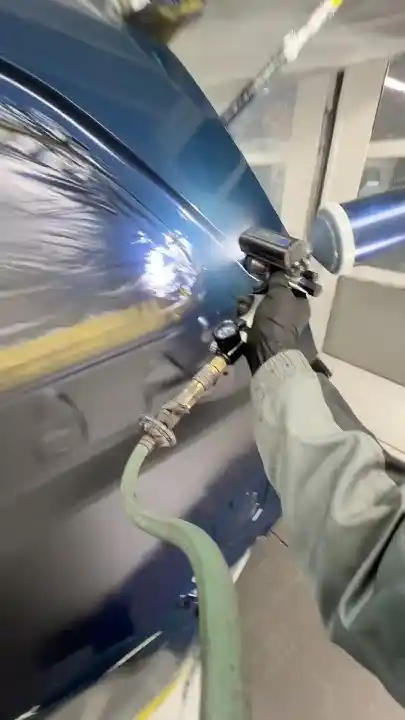
Step 7: Paint Preparation and Refinishing
After body repair, the damaged or repaired area may need paint work.
Paint preparation and refinishing may include:
- sanding
- masking
- primer
- color matching
- blending
- base coat
- clear coat
- curing
- finish review
Paint matching matters because vehicle color can change over time from sun, weather, age, and previous repairs.
The goal is to help the repaired area blend with the rest of the vehicle as closely as possible.
For paint-related repair details, visit our auto paint page.
Step 8: Reassembly
After body and paint work are complete, the vehicle moves into reassembly.
During this step, removed parts are put back in place.
This may include:
- lights
- trim
- moldings
- clips
- bumper parts
- panels
- badges
- hardware
- exterior pieces
The vehicle starts to look complete again during this stage.
Reassembly also gives the shop a chance to check fit, alignment, and how the repaired areas sit after installation.
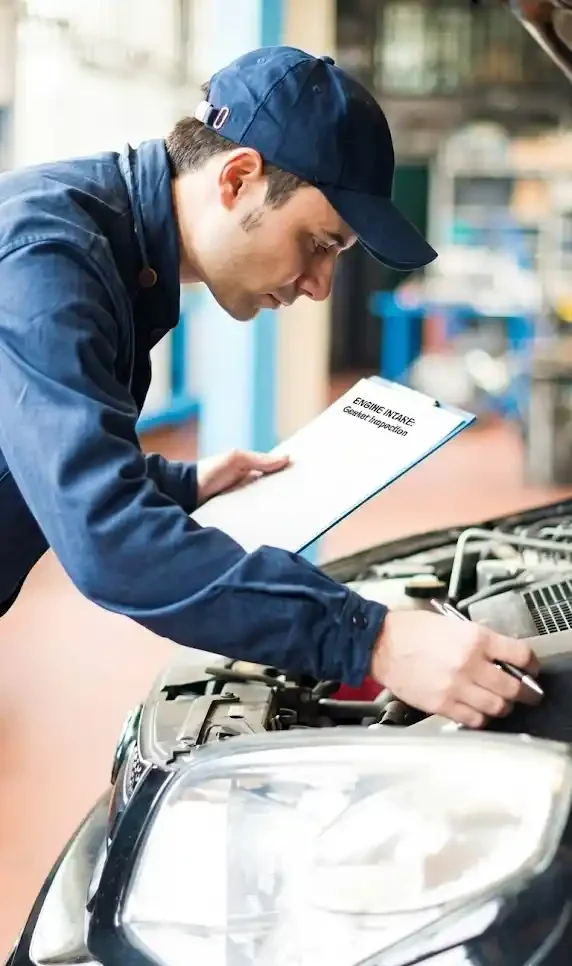
Step 9: Quality Check
Before the vehicle is ready, it should go through a quality check.
The shop may review:
- repaired panels
- paint finish
- color blend
- part fit
- bumper alignment
- lights
- trim
- panel gaps
- loose parts
- visible repair areas
This step helps catch issues before the vehicle is returned.
If something does not look right, it should be reviewed before final delivery.
Step 10: Final Delivery
Delivery is the final step.
Before you leave, review the repaired areas and ask questions if anything is unclear.
You may want to check:
- repaired panels
- bumper fit
- paint appearance
- lights
- trim
- invoice or paperwork
- insurance-related notes
- care instructions after paint work
If fresh paint or refinishing was completed, ask if there are any short-term care instructions.
The goal is for you to leave with a clear understanding of what was repaired and what to watch for after pickup.
Why the Repair Timeline Can Change
The repair timeline can change for several reasons.
Common reasons include:
- hidden damage found after teardown
- supplement approval
- parts availability
- insurance review time
- paint and curing steps
- additional repair needs
- quality check corrections
A delay does not always mean something went wrong. Sometimes the full damage becomes clear only after inspection or disassembly.
What You Can Do to Help the Process
You can make the repair process smoother by preparing a few details early.
Helpful items include:
- insurance claim number, if available
- photos of the damage
- accident date and location
- police report details, if available
- vehicle registration information
- your contact information
- warning lights or driving concerns
- notes about prior damage
Clear information helps the shop understand the situation and communicate better during repair.
Auto Body Repair Process vs. Mechanical Repair
The auto body repair process focuses on exterior damage.
This includes:
- bumper damage
- dents
- scratches
- paint damage
- panels
- collision damage
- frame-related body concerns
Mechanical repair is different. It focuses on how the vehicle runs, stops, steers, cools, and shifts.
If your concern is about warning lights, engine problems, oil changes, transmission issues, or brake service, a mechanical repair page may be the better fit.
If the issue is accident-related exterior damage, this guide can help you understand the repair path.
When to Schedule an Estimate
Schedule an estimate when your vehicle has visible damage after an accident, scrape, parking impact, or collision.
You should request an estimate if you see:
- bumper damage
- dents
- scratches
- scraped paint
- cracked bumper cover
- loose panels
- broken lights
- damaged fenders
- possible frame damage
- accident-related exterior damage
You do not have to guess what the repair needs. A damage review gives you a clearer starting point.
Frequently Asked Questions
The auto body repair process is the series of steps used to review, plan, repair, refinish, reassemble, and check a damaged vehicle before it is returned to the owner.
The first step in the car body repair process is usually a damage review and estimate. The estimate explains the visible damage, possible repair needs, and parts or paint work that may be needed.
The main body shop repair steps often include damage review, estimate approval, teardown, hidden damage checks, supplements, parts ordering, body repair, paint work, reassembly, quality check, and delivery.
Teardown is when damaged parts are removed so the shop can inspect the area behind the visible damage. This helps find hidden damage that may not appear during the first estimate.
Your estimate may change if hidden damage is found during teardown or closer inspection. This can lead to supplements for extra labor, parts, paint, or repair steps.
A supplement is an update to the original estimate when more damage or extra repair needs are found. If insurance is involved, the supplement may need insurance approval.
During the paint step, repaired areas may be sanded, masked, primed, painted, blended, clear coated, cured, and checked so the finish matches the vehicle as closely as possible.
During reassembly, removed parts are put back on the vehicle. This may include lights, trim, moldings, bumper parts, clips, panels, badges, and hardware.
Before delivery, the shop may review repaired panels, paint finish, color blend, part fit, bumper alignment, lights, trim, gaps, and visible repair areas.
The collision repair process timeline depends on the damage, parts availability, insurance review, supplements, paint work, and quality check needs. A small repair may move faster than a larger collision repair.
No. Auto body repair focuses on exterior damage, panels, bumpers, paint, dents, scratches, and collision damage. Mechanical repair focuses on engine, brake, transmission, fluid, steering, and warning-light issues.
Schedule an estimate if your vehicle has bumper damage, dents, scratches, scraped paint, loose panels, broken lights, or accident-related exterior damage.