
Auto Mechanic Services in San Diego, CA
When your car starts acting differently, do not wait for the problem to get worse.
A warning light, rough idle, leak, strange noise, delayed start, burning smell, or weak acceleration can point to a mechanical issue. Some problems are simple. Others need diagnostics, an inspection, or mechanical repair.
CollisionFix provides auto mechanic services in San Diego, CA for drivers who need help with engine symptoms, fluids, belts, filters, basic maintenance, and service guidance.
If your vehicle does not sound, feel, start, or drive the way it should, schedule a service appointment so the concern can be checked before it turns into a bigger repair.
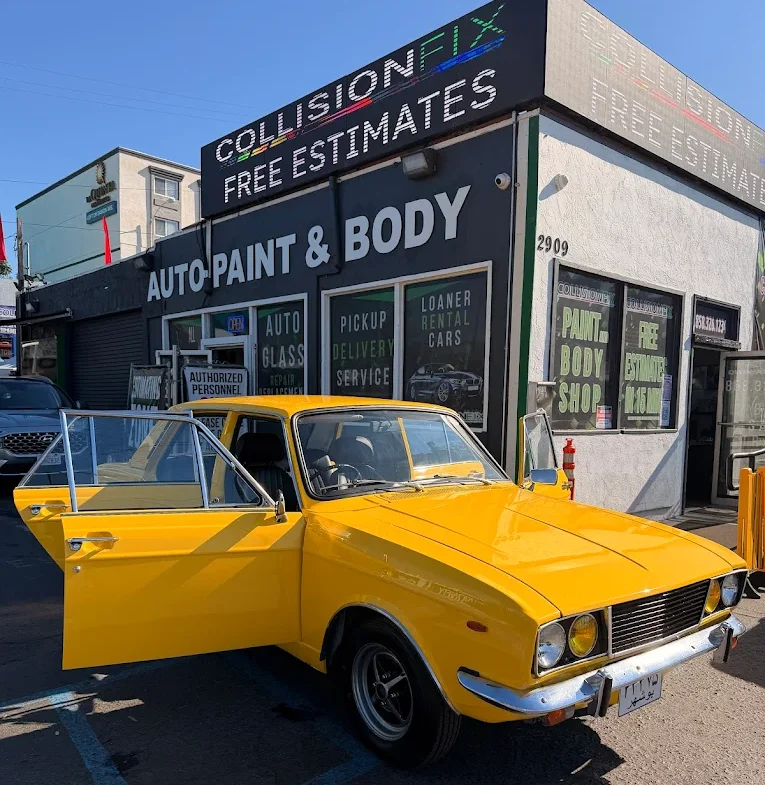
Car Mechanic in San Diego for Vehicle Symptoms
Most vehicle problems do not start as major failures.
They often begin with a small sign. Your engine may sound rough. The vehicle may hesitate. A dashboard light may turn on. You may notice a smell, vibration, leak, or change in how the car drives.
CollisionFix helps drivers looking for a car mechanic in San Diego with concerns such as:
- diagnostics
- engine symptoms
- inspection
- fluids
- belts
- filters
- basic maintenance
- warning lights
- unusual sounds
- fluid leaks
- hard starting
- general mechanical repair questions
The goal is to understand the symptom before choosing the repair path.
Common Signs Your Car Needs a Mechanic
Your vehicle may need mechanic service if something changes during normal driving.
Watch for:
- check engine light
- rough idle
- slow or hard starting
- burning smell
- fluid leaks
- squealing, grinding, or ticking sounds
- shaking while driving
- weak acceleration
- overheating concerns
- warning lights
- reduced fuel economy
- unusual driving feel
These signs do not always mean a major repair is needed. But they do mean the vehicle should be checked.
For more help, read our guide on signs your car needs a mechanic.
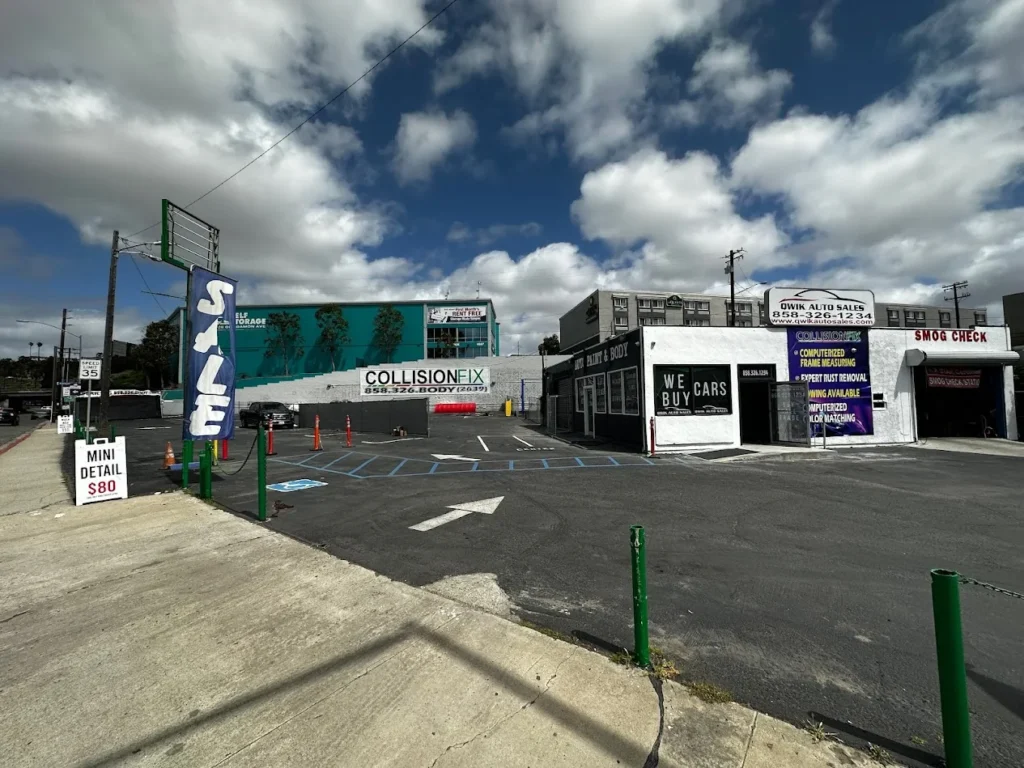
Mechanic Services in San Diego Start With the Symptom
Good mechanic work starts with what the vehicle is doing.
A symptom may happen only when the car is cold, after it warms up, when you brake, when you accelerate, when you turn, or when you sit in traffic. Those details matter.
Before recommending a service path, it helps to understand:
- when the issue started
- whether the problem is constant or occasional
- whether a warning light is on
- whether the car leaks fluid
- whether the sound changes while driving
- whether the vehicle recently had service
- whether the issue appeared after a longer drive
- whether the vehicle feels unsafe
This symptom-first approach helps reduce guesswork and avoids replacing parts before the problem is understood.
Diagnostics for Warning Lights and Driving Problems
Diagnostics help identify what may be causing a warning light, drivability concern, rough idle, leak, noise, or performance issue.
A diagnostic review may help with:
- check engine light concerns
- sensor-related issues
- rough idle
- starting problems
- weak acceleration
- electrical symptoms
- unusual sounds
- overheating concerns
- warning messages
- service lights
The purpose of diagnostics is simple: understand the problem before moving into repair.
Inspection Before Mechanical Repair
An inspection helps review the vehicle’s visible condition before service begins.
This can be useful when the problem is unclear, when the vehicle has been sitting, when you recently bought a used car, or when you want to check a concern before it gets worse.
A mechanic inspection may include a review of:
- visible leaks
- worn belts
- dirty filters
- low or old fluids
- engine bay concerns
- warning lights
- unusual smells
- starting behavior
- visible wear
- basic service needs
An inspection helps create a more practical service plan.
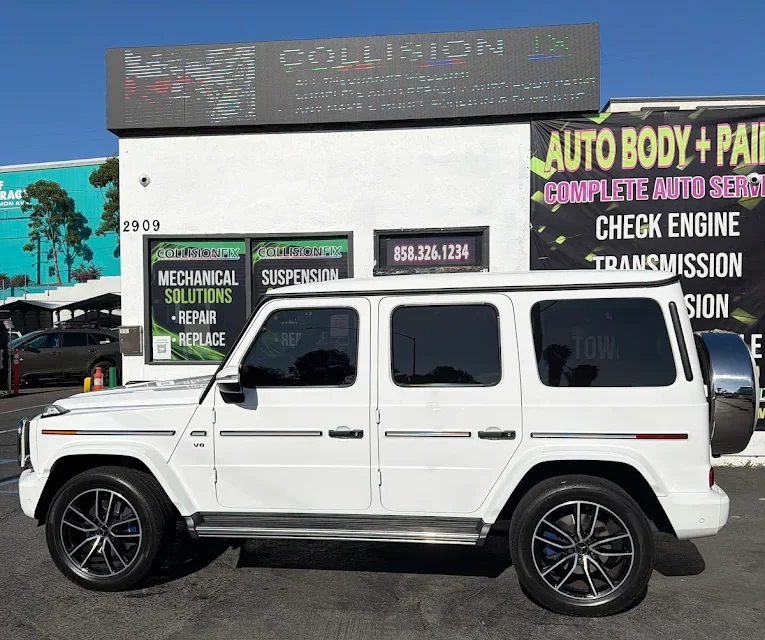
Engine Symptoms That Should Not Be Ignored
Engine symptoms can show up in different ways.
Some are easy to notice. Others only happen during cold starts, heavy traffic, hills, or highway driving.
Common engine-related symptoms include:
- rough idle
- shaking
- hesitation
- weak power
- unusual ticking or knocking sounds
- overheating
- warning lights
- burning smell
- fluid leaks
- poor fuel economy
If your engine feels different, do not ignore it. Small symptoms can become larger service needs if they are left unchecked.
Fluids, Belts, and Filters
Your vehicle depends on basic service items to run correctly.
Fluids, belts, and filters may not seem important until they fail, but they help protect the engine and other systems.
Common service items may include:
- engine oil
- coolant
- brake fluid
- transmission fluid, when applicable
- washer fluid
- oil filter
- air filter
- cabin air filter
- drive belts
- visible hose or belt concerns
If your vehicle is overdue for routine service, visit our auto repair and maintenance page for broader maintenance guidance.
When to Stop Driving and Schedule Service
Some symptoms should be checked before you continue driving.
Stop driving or avoid regular use if you notice:
- overheating
- heavy fluid leaking
- strong burning smell
- smoke
- loud knocking
- severe shaking
- warning lights with poor performance
- brake concerns
- sudden loss of power
- a vehicle that feels unsafe
Not every warning sign means the vehicle is unsafe, but serious symptoms should not be ignored.
If the vehicle feels unsafe, contact the shop before driving it further.
Maintenance vs. Mechanical Repair
Maintenance helps prevent problems.
Mechanical repair helps address a problem that already exists.
Maintenance may include:
- oil service
- filter checks
- fluid checks
- belt review
- scheduled service
- basic inspection
Mechanical repair may be needed when:
- the vehicle has a warning light
- the engine runs poorly
- a part has failed
- fluid is leaking
- the vehicle makes an unusual noise
- the car does not drive normally
If your main goal is staying ahead of service needs, visit our preventative maintenance page.
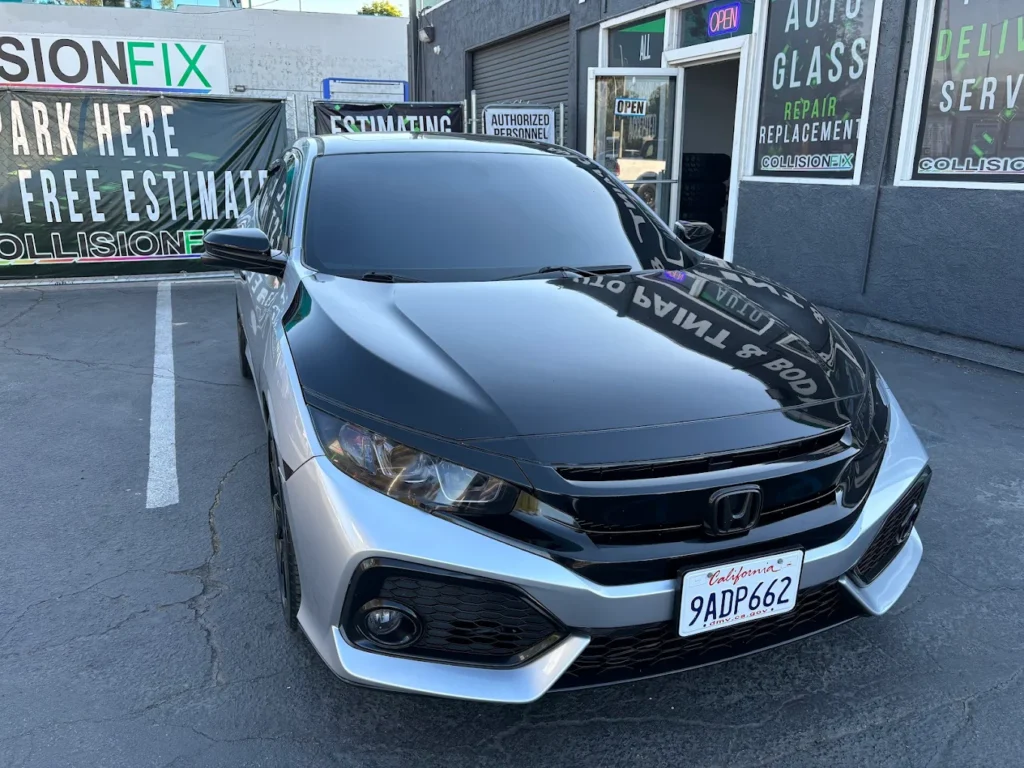
What Is the 30-60-90 Rule for Cars?
The 30-60-90 maintenance rule refers to common mileage-based service points at about 30,000, 60,000, and 90,000 miles.
These service points may include checks for fluids, filters, belts, spark plugs, brakes, tires, and other routine service items, depending on the vehicle.
Not every car needs the same work at the same mileage. The right maintenance plan depends on your vehicle, driving habits, service history, and manufacturer recommendations.
Mechanic Service vs. Oil Change Service
An oil change is one type of maintenance. Auto mechanic services are broader.
Use the oil change page when your main need is:
- engine oil replacement
- oil filter replacement
- oil service interval
- dashboard oil reminder
- routine oil maintenance
Use this mechanic page when your concern involves:
- warning lights
- engine symptoms
- leaks
- noises
- starting issues
- fluid concerns
- inspection needs
- possible mechanical repair
For oil-specific service, visit our oil change service page.
Mechanic Service vs. Transmission Service
Transmission problems need their own repair path.
This mechanic page can help you understand general symptoms, but transmission-specific concerns should go to the dedicated service page.
Visit our transmission service page if you notice:
- rough shifting
- delayed shifting
- slipping
- transmission fluid concerns
- shifting-related warning lights
- unusual noise while changing gears
- service interval questions
This keeps each page focused and avoids mixing separate repair intents.
Automotive Mechanic in San Diego for Service Questions
Not every driver knows exactly what service their vehicle needs.
You may know the symptom but not the cause. That is normal.
CollisionFix can help you sort through questions like:
- Why is my warning light on?
- Why does my car sound different?
- Is this leak serious?
- Do I need maintenance or repair?
- Should I keep driving?
- What service should I do first?
- Is the issue mechanical or body-related?
- Should I schedule an inspection?
Clear service guidance helps you choose the right next step.
Auto Mechanic Services vs. Auto Repair and Maintenance
These pages are related, but they should not do the same job.
The auto repair and maintenance page is the broader page. It helps drivers understand general maintenance, service schedules, fluids, filters, and routine vehicle care.
This auto mechanic services page is more symptom-driven. It helps when the vehicle is already showing signs of a possible mechanical problem.
Use this page when you notice:
- warning lights
- leaks
- noises
- engine symptoms
- starting problems
- rough idle
- weak acceleration
- possible mechanical repair needs
Use the broader maintenance page when the vehicle mainly needs routine service, scheduled maintenance, or general care guidance.
When the Problem Is Mechanical, Not Auto Body
This page is for mechanical concerns.
Use this page when your issue involves:
- engine symptoms
- diagnostics
- inspection
- fluids
- belts
- filters
- maintenance
- mechanical repair
- warning lights
- leaks
- starting concerns
Use body repair pages when your issue involves:
- collision damage
- dents
- scratches
- bumper damage
- paint damage
- frame concerns
- exterior panels
- insurance collision repair
If your vehicle was damaged in an accident, start with the correct collision or body repair page instead.
What Mechanic Service Can and Cannot Fix
Mechanic service helps with how the vehicle runs, starts, drives, and stays maintained.
Mechanic service may help with:
- warning lights
- engine symptoms
- leaks
- fluids
- filters
- belts
- routine maintenance
- basic mechanical issues
- service schedule questions
Mechanic service usually cannot fix:
- dented body panels
- paint scratches
- cracked bumpers
- frame damage
- color matching
- exterior body damage
- accident-related body repair
Choosing the right service path helps avoid wasted time and confusion.
What to Bring to a Service Appointment
When scheduling a service appointment, bring any details that may help explain the issue.
Helpful information includes:
- when the problem started
- what the vehicle is doing
- whether a warning light is on
- when the issue happens
- recent service history
- any fluid leaks you noticed
- sounds, smells, or driving changes
- photos or videos of the symptom if available
The more detail you provide, the easier it is to understand where to start.
How Much Do Mechanic Services Cost?
The cost of auto mechanic services in San Diego depends on the symptom, vehicle condition, diagnostic time, parts, labor, and repair type.
A basic inspection may cost less than a diagnostic review or mechanical repair. A filter or fluid service may cost less than a repair involving failed parts.
Cost can depend on:
- vehicle make and model
- symptom type
- diagnostic needs
- fluid or filter needs
- belt condition
- parts required
- labor time
- service history
Many drivers search for mechanic labor rates or affordable mechanic services, but the cheapest repair is not always the best repair. A clear inspection and explanation can help you avoid paying for work that does not address the real problem.
The best way to understand the cost is to schedule a service review.
Why Choose CollisionFix for Auto Mechanic Services?
CollisionFix is known for body, paint, and collision work, but the shop also helps drivers with select mechanical service needs.
Drivers choose CollisionFix when they want:
- practical service guidance
- diagnostics
- inspection
- engine symptoms reviewed
- fluids checked
- belts and filters reviewed
- basic maintenance help
- clear separation between mechanic and body repair needs
- help choosing the right service path
If your concern belongs to a different service page, we will help point you in the right direction.
Schedule Auto Mechanic Service
If your vehicle has warning lights, leaks, engine symptoms, worn belts, dirty filters, fluid concerns, or basic mechanical service needs, CollisionFix can help.
Schedule a service appointment today. We will review your concern and help you understand the next step.
Frequently Asked Questions
Auto mechanic services help with mechanical concerns, vehicle maintenance, diagnostics, inspections, fluids, filters, belts, warning lights, and basic repair needs.
You should contact a car mechanic if your vehicle has a warning light, rough idle, leak, strange noise, starting issue, overheating concern, or change in driving feel.
Yes. Diagnostics can help review warning lights, engine symptoms, performance issues, leaks, and other mechanical concerns.
Do not ignore overheating, rough idle, knocking sounds, burning smells, warning lights, leaking fluids, weak power, or shaking while driving.
The 30-60-90 rule refers to common maintenance service points around 30,000, 60,000, and 90,000 miles. The exact service depends on the vehicle and manufacturer recommendations.
Mechanic labor rates vary by shop, vehicle type, location, and repair complexity. The best approach is to ask for an estimate based on your vehicle’s symptoms and service needs.
Major engine, transmission, electrical, and structural repairs are often among the more expensive vehicle repairs. The exact cost depends on the vehicle and the damage or failure.
Yes. CollisionFix can help review fluids, belts, and filters as part of maintenance or mechanic service guidance.
No. Mechanic service focuses on how the vehicle runs and drives. Auto body repair focuses on exterior damage such as dents, scratches, bumpers, panels, paint, and collision damage.
Yes. For preventive service details, visit our preventative maintenance page.
Yes, an oil change is a basic maintenance service. For dedicated oil service details, visit our oil change service page.
Transmission concerns are mechanical, but they should be handled through the dedicated transmission service page because the intent is more specific.
Cost depends on the symptom, diagnostic time, parts, labor, fluids, filters, and repair type. A service appointment gives the clearest answer.
Contact CollisionFix or schedule a service appointment. Share the symptoms, warning lights, and recent service history so the concern can be reviewed properly.