
Auto Body Repair Resources
Car damage can bring a lot of questions.
You may wonder what to do after an accident, how a repair estimate works, whether insurance should be involved, why paint matching matters, or when bumper damage needs more than a quick fix.
This resource center gives San Diego drivers simple guides about accident steps, the repair process, estimates, insurance claims, bumper replacement, paint matching, and basic vehicle maintenance questions.
Use this page when you want clear information before choosing your next step.
Start With the Right Auto Body Repair Guide
Every vehicle damage situation is different.
A rear-end accident, bumper scrape, parking lot dent, paint chip, insurance claim, or estimate question may all need a different starting point.
Use these collision repair guides when you want clear answers before choosing what to do next.
This resource hub can help you learn about:
- what to do after a crash
- how the body repair process works
- how collision repair differs from general auto body repair
- what may be included in a repair estimate
- when to use insurance for body repair
- when bumper repair may turn into bumper replacement
- why paint matching matters after body work
- when a vehicle issue may need a mechanic instead of a body shop
- how oil changes and preventative maintenance fit into long-term vehicle care
- where to find official California consumer repair resources
If your vehicle already has visible damage, an estimate is usually the best next step.
Accident and Collision Help
Start here if your vehicle was recently hit or involved in a crash.
These guides explain what to do first, how to document damage, and how to understand the repair path after an accident.
- What to Do After a Car Accident in San Diego
- Auto Body Repair Process
- Collision Repair vs. Auto Body Repair
These car accident repair resources help you make a calmer decision after vehicle damage.
Repair Estimates and Insurance Questions
Auto body estimates and insurance paperwork can feel confusing.
A repair estimate may include labor, parts, paint materials, refinishing, taxes, notes, and possible hidden damage. If insurance is involved, you may also need to understand claim numbers, deductibles, adjuster reviews, repair authorization, and supplements.
Start here if your main question is about repair cost, paperwork, or insurance decisions.
For insurance-focused service help, visit our insurance collision repair page.
Bumper, Paint, and Exterior Damage Guides
Not all damage comes from a major accident.
Many drivers need help after parking damage, bumper scuffs, dents, scratches, paint chips, or small impacts.
These guides explain common exterior damage questions in simple language.
These topics explain bumper replacement, scraped paint, panel refinishing, color blending, and why cosmetic damage may need a closer review.
For repair-specific details, visit:
Consumer Repair Questions and Official Resources
Some repair questions are about your vehicle. Other questions are about licensing, consumer protection, insurance disputes, or official repair information.
If you want to understand your vehicle damage, start with the CollisionFix guides on this page.
If you need official California consumer information, these resources may help:
- California Bureau of Automotive Repair
- California Bureau of Automotive Repair Auto Shop Locator
- California Department of Insurance Auto Body Repair Shop Resources
These official resources may help with shop license checks, consumer complaints, repair documentation questions, insurance labor rate surveys, and state-level repair information.
Signs Your Car Needs a Mechanic
Your car often gives warning signs before a bigger problem happens.
You may notice warning lights, strange noises, fluid leaks, shaking, poor shifting, overheating, weak starts, smoke, burning smells, or changes in how the vehicle drives.
This guide explains the common signs your car needs a mechanic so you know when to schedule service before the issue gets worse.
If your car feels unsafe, overheats, leaks heavily, smokes, smells like burning, or loses power, stop driving when it is safe and get help.
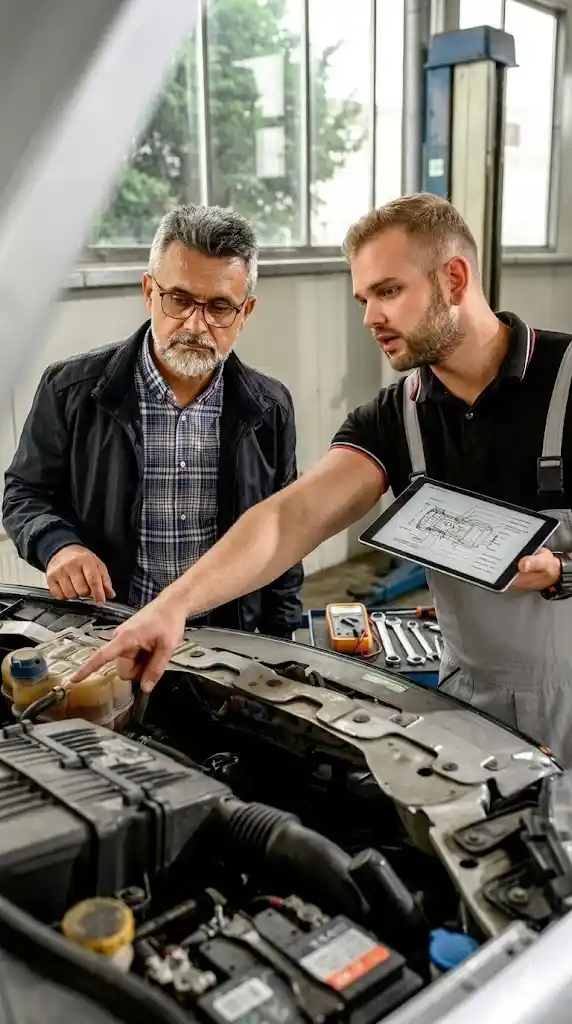
Body Repair vs. DIY Repair vs. Mechanical Repair
Auto body repair, DIY repair, and mechanical repair are not the same.
Auto body repair focuses on exterior vehicle damage. This includes panels, bumpers, paint, scratches, dents, collision damage, and body structure concerns.
DIY repair content can help you understand basic repair concepts, but many repairs need proper tools, inspection, paint matching, repair planning, and safety review.
Mechanical repair focuses on systems that help the vehicle run, stop, steer, cool, and shift.
Use this resource center when your question involves:
- body damage
- collision damage
- bumper damage
- dented panels
- scratched paint
- accident repair
- paint matching
- estimate questions
- insurance repair questions
Use maintenance or mechanic guides when your question involves:
- oil changes
- warning lights
- brake service
- tire service
- transmission problems
- engine issues
- routine maintenance
Maintenance and Mechanic Education
Some vehicle problems are not body repair problems.
If your question is about warning lights, oil changes, transmission concerns, or basic maintenance, start with these maintenance guides.
- What Is Preventative Maintenance?
- Signs Your Car Needs a Mechanic
- Transmission Service vs. Transmission Repair
- How Often Should You Change Your Oil?
These guides help you understand whether your vehicle concern is about exterior damage or mechanical service.
Browse All CollisionFix Resources
Use this list to find the right guide based on your question.
Accident and Collision Guides
- What to Do After a Car Accident in San Diego
- Auto Body Repair Process
- Collision Repair vs. Auto Body Repair
Estimate and Insurance Guides
Bumper, Paint, and Exterior Damage Guides
Maintenance and Mechanic Guides
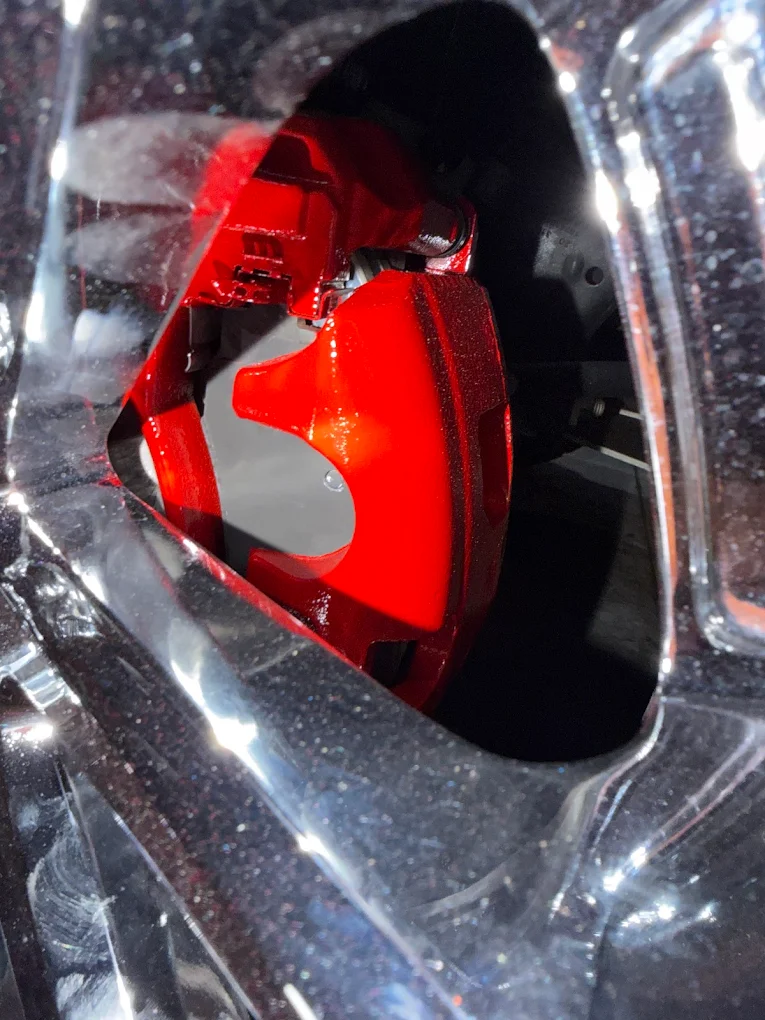
When to Read a Guide and When to Request an Estimate
A guide is useful when you are still learning.
An estimate is better when your vehicle already has visible damage and you need repair direction.
Read a guide when you want to understand:
- what to do after an accident
- what repair terms mean
- how insurance steps work
- what an estimate may include
- how bumper or paint damage is reviewed
- when a vehicle issue may need maintenance instead of body repair
- where to find California consumer repair information
Request an estimate when your vehicle has:
- bumper damage
- dents
- scratches
- paint damage
- collision damage
- loose panels
- visible body damage
- accident-related concerns
Why CollisionFix Publishes Repair Guides
Auto body repair can feel unclear when you do not work with damaged vehicles every day.
CollisionFix publishes these guides to help drivers understand repair steps before making decisions.
These resources answer practical questions such as:
- What should I do after an accident?
- What does the repair process look like?
- What is included in a collision repair estimate?
- Should I use insurance for body repair?
- When should a bumper be repaired or replaced?
- Why does paint matching matter?
- What signs mean my car may need a mechanic?
- How do I know which page to visit next?
- Where can I find California consumer repair information?
The goal is simple: help you understand the process before approving work.
HOURS
Sunday
Closed
Monday
8:00 AM - 6:00 PM
Tuesday
8:00 AM - 6:00 PM
Wednesday
8:00 AM - 6:00 PM
Thursday
8:00 AM - 6:00 PM
Friday
8:00 AM - 6:00 PM
Saturday
8:00 AM - 6:00 PM
Talk to CollisionFix About Vehicle Damage
Reading a guide can help, but vehicle damage still needs a real review.
If your car has collision damage, bumper damage, dents, scratches, paint damage, or insurance-related repair questions, CollisionFix can help you choose the next step.
Frequently Asked Questions
The best resources help you understand what to do after an accident, how repair estimates work, how insurance claims may affect repairs, when bumper damage may need replacement, and why paint matching matters after body work.
This resource hub is written for drivers. It explains accident steps, repair estimates, insurance questions, bumper damage, paint matching, maintenance basics, and repair decisions in simple language.
Start with the accident guide. It explains safety steps, photos, documentation, insurance information, visible damage, and when to request a repair estimate.
You can use official California resources such as the California Bureau of Automotive Repair and California Department of Insurance. These resources may help with shop license checks, consumer complaints, repair documentation, insurance labor rate surveys, and state-level repair questions.
Yes. California drivers can use official state repair resources to check shop licensing or consumer information. This can be helpful before choosing a repair shop or when you need state-level information.
Yes. California drivers can use official state repair resources to check shop licensing or consumer information. This can be helpful before choosing a repair shop or when you need state-level information.
If the issue involves licensing, repair documentation, consumer complaints, or regulatory concerns, review official California consumer resources. If your question is about your own vehicle damage, estimate, or repair direction, CollisionFix can help you understand the next step.
DIY resources can help you understand basic repair concepts, but many repairs need proper tools, inspection, paint matching, repair planning, and safety review. If the bumper is loose, paint is cracked, or panels are damaged, request a professional estimate.
Estimates can change when hidden damage appears after closer inspection or teardown. A bumper, panel, bracket, paint, or structural issue may look simple at first but require more work once the damaged area is reviewed.
A collision repair estimate may include labor, parts, paint materials, refinishing, taxes, notes, and possible hidden-damage items. Insurance-related estimates may also include claim details, supplement notes, or approval steps.
Yes. This hub explains basic insurance-related repair questions and links to the insurance collision repair page for more specific guidance. It can help you understand deductibles, claim numbers, adjuster reviews, supplements, and repair authorization.
Auto body repair often refers to exterior vehicle damage such as dents, scratches, panels, paint, and bumpers. Collision repair usually refers to accident-related damage that may involve body panels, bumpers, paint, hidden damage, or structural concerns.
Yes. The bumper guide explains why some bumpers can be repaired and why others may need replacement based on cracks, mounting damage, paint damage, impact severity, or part condition.
Yes. The paint matching guide explains why color matching matters after body repair, bumper repair, panel refinishing, or paint repair.
They help users understand when a problem is not body-related. If the issue involves warning lights, oil changes, transmission problems, or mechanical symptoms, a maintenance or mechanic guide is the better starting point.
Use this hub if you are still learning. Use the estimate page if your vehicle already has visible damage. Use a service page if you already know the repair type, such as auto collision repair, auto body repair, bumper repair, auto paint, or insurance collision repair.