
What Is Preventative Maintenance?
Preventative maintenance means taking care of a vehicle, machine, or system before it breaks.
For cars, it means checking and servicing important parts on a regular schedule instead of waiting for warning lights, leaks, overheating, brake issues, or sudden no-start problems.
For most drivers, preventative maintenance for cars includes oil changes, filters, fluids, belts, tire checks, brake checks, battery testing, and routine inspections.
The goal is simple: improve reliability, reduce surprise repairs, support safer driving, and help with long-term breakdown prevention.
Preventive vs. Preventative Maintenance
You may see both words: preventive and preventative.
They are often used to mean the same thing.
In simple terms, preventive or preventative maintenance is planned care that helps stop bigger problems before they happen.
Examples include:
- changing engine oil before it becomes dirty
- replacing filters before they clog
- checking brakes before they wear too far
- testing a battery before it fails
- inspecting belts before they crack or break
- checking fluids before they run low
- following service intervals before major parts are damaged
For vehicle owners, the practical meaning is clear: routine maintenance helps keep the car dependable.
What Preventative Maintenance Means for Cars
Preventative maintenance is planned vehicle care.
It helps keep your car safe, dependable, and ready for daily driving.
A basic maintenance plan may include:
- checking fluid levels
- changing engine oil
- replacing filters
- inspecting belts and hoses
- checking tire pressure
- rotating tires
- inspecting brakes
- testing the battery
- checking lights and wipers
- following factory service intervals
These services help catch wear early before it turns into a larger repair.
Why Preventative Maintenance Matters
Cars have many parts that wear down over time.
Oil gets dirty. Filters clog. Tires lose pressure. Belts crack. Fluids break down. Batteries weaken. Brake pads wear thin.
Preventative maintenance helps find these issues before they leave you stuck on the road.
It can help with:
- safer driving
- smoother performance
- better fuel efficiency
- longer vehicle life
- fewer surprise repairs
- stronger vehicle reliability
- lower risk of breakdowns
- better resale value
A well-maintained vehicle is easier to trust.
Preventative Maintenance vs. Reactive Repair
Preventative maintenance and repair are not the same.
Preventative maintenance is planned service before a major problem happens.
Reactive repair happens after something is already damaged, worn out, leaking, broken, or not working correctly.
| Situation | Type of Service |
|---|---|
| Changing oil on schedule | Preventative maintenance |
| Replacing a damaged engine part | Repair |
| Checking tire pressure | Preventative maintenance |
| Replacing a blown tire | Repair |
| Inspecting belts for cracks | Preventative maintenance |
| Replacing a broken belt after a breakdown | Repair |
| Checking coolant level | Preventative maintenance |
| Fixing overheating damage | Repair |
Routine care helps lower the chance of bigger repairs later.
Car Maintenance Basics Every Driver Should Know
Good car maintenance basics start with the systems your vehicle uses every day.
These include:
- engine oil
- coolant
- brake fluid
- transmission fluid
- air filters
- cabin filters
- belts
- hoses
- tires
- brakes
- battery
- lights
- windshield wipers
You do not need to be a mechanic to understand the basics.
You only need to know what should be checked, when it should be checked, and when to schedule service.
Oil Changes
Oil helps protect the engine.
It lubricates moving parts, helps reduce heat, and helps keep the engine cleaner.
Old or dirty oil can make the engine work harder.
Oil maintenance may include:
- checking oil level
- checking oil condition
- changing engine oil
- replacing the oil filter
- following the correct service interval
- using the right oil type for the vehicle
For oil-specific service, visit our oil change page.
Filters
Filters help keep dirt, dust, and debris away from important vehicle systems.
Common filters include:
- oil filter
- engine air filter
- cabin air filter
- fuel filter, when applicable
A dirty engine air filter may affect performance.
A dirty cabin air filter may reduce airflow inside the vehicle.
A clogged oil filter can reduce oil flow and affect engine protection.
Replacing filters on schedule is a simple part of routine vehicle care.
Fluids
Your vehicle uses several fluids to run, stop, cool, shift, and steer properly.
Common fluids include:
- engine oil
- coolant
- brake fluid
- transmission fluid
- power steering fluid, if applicable
- windshield washer fluid
Fluids should be checked for level, condition, leaks, and service timing.
Low, dirty, or leaking fluid can lead to bigger problems if ignored.
If you see fluid spots under your vehicle, schedule a review.
Belts and Hoses
Belts and hoses are small parts, but they can cause big problems when they fail.
Belts may crack, stretch, fray, or squeal.
Hoses may leak, swell, soften, or crack.
A belt or hose problem may lead to:
- overheating
- battery charging problems
- coolant leaks
- engine performance issues
- loss of power steering in some vehicles
- sudden breakdown
A basic inspection can often catch belt and hose wear early.
Tires and Tire Pressure
Tires affect safety, handling, braking, and ride comfort.
Tire maintenance may include:
- checking tire pressure
- checking tread depth
- rotating tires
- inspecting for uneven wear
- checking for nails or cuts
- balancing tires when needed
- reviewing alignment if wear looks uneven
Low tire pressure can affect fuel economy and tire life.
Uneven tire wear may point to alignment, suspension, or driving-condition issues.
Brake Inspections
Brake inspections are an important part of any vehicle maintenance checklist.
A brake inspection may include checking:
- brake pads
- rotors
- brake fluid
- brake lines
- brake pedal feel
- unusual noises
- vibration while braking
Schedule a brake review if you notice squeaking, grinding, shaking, longer stopping distance, or a soft brake pedal.
Do not wait if the vehicle feels unsafe when stopping.
Battery Checks
A weak battery can leave you stranded.
Battery maintenance may include:
- checking battery age
- testing battery strength
- checking terminals
- looking for corrosion
- checking charging system concerns
- checking slow starts
Battery problems may show up as slow cranking, dim lights, clicking sounds, or trouble starting after the car sits.
A quick battery check can help prevent a no-start situation.
Service Intervals
Service intervals are the recommended time or mileage points for maintenance.
They may be based on:
- mileage
- time
- vehicle age
- driving conditions
- manufacturer recommendations
- oil type
- climate
- stop-and-go driving
- towing or heavy use
Your owner’s manual is the best place to confirm the right schedule for your vehicle.
If you are unsure whether your car is due, a maintenance inspection can help.
Simple Vehicle Maintenance Checklist
Use this vehicle maintenance checklist as a simple starting point.
| Maintenance Area | What to Check |
|---|---|
| Oil | Level, condition, oil change timing |
| Filters | Oil filter, engine air filter, cabin filter |
| Fluids | Coolant, brake fluid, transmission fluid, washer fluid |
| Belts | Cracks, squealing, looseness, fraying |
| Hoses | Leaks, cracks, swelling, soft spots |
| Tires | Pressure, tread, rotation, uneven wear |
| Brakes | Pads, rotors, fluid, noise, stopping feel |
| Battery | Age, strength, corrosion, slow starts |
| Lights | Headlights, brake lights, signals, hazards |
| Wipers | Blade condition, washer fluid, visibility |
| Inspections | Leaks, warning lights, unusual sounds |
This checklist is a helpful starting point. Your vehicle’s owner’s manual may list more specific maintenance timing.
Monthly Checks You Can Remember
Some checks are simple enough to remember every month.
Monthly checks may include:
- tire pressure
- tire condition
- oil level
- coolant level
- washer fluid
- lights
- wiper condition
- visible leaks
- unusual smells
- dashboard warning lights
These checks are quick, but they can help catch small problems early.
Maintenance That Usually Needs a Shop
Some services are better handled by a mechanic or service shop.
These may include:
- oil and filter changes
- brake inspections
- battery testing
- belt inspections
- hose inspections
- fluid service
- tire rotation
- transmission service
- diagnostic scans
- suspension checks
- safety inspections
For maintenance help, visit our preventative maintenance page.
For broader vehicle care, visit our auto repair and maintenance page.
Signs Your Car May Be Overdue for Maintenance
Your car may need service if you notice:
- warning lights
- rough starts
- slow cranking
- squealing belts
- grinding brakes
- shaking while driving
- pulling to one side
- burning smell
- fluid leaks
- low tire pressure
- poor fuel economy
- overheating
- unusual engine noise
These signs do not always mean a major repair is needed.
They do mean the vehicle should be checked before the issue gets worse.
How Preventative Maintenance Helps Reliability
Reliability means your car starts, runs, stops, and performs the way you expect.
Preventative maintenance helps reliability by keeping important systems checked and serviced.
This includes:
- engine lubrication
- cooling system protection
- brake performance
- tire condition
- battery strength
- belt and hose condition
- clean filters
- healthy fluids
A car that receives routine maintenance is less likely to surprise you with sudden problems.
How Preventative Maintenance Helps Prevent Breakdowns
Breakdown prevention is one of the main reasons to maintain your vehicle.
Many roadside problems start as small maintenance issues.
Examples include:
- low oil becoming engine damage
- old coolant causing overheating
- weak battery causing no-start issues
- worn belts causing sudden failure
- low tire pressure causing tire damage
- ignored brake wear causing unsafe stopping
- clogged filters reducing performance
Small checks can reduce the chance of larger problems.
Examples of Preventative Maintenance Beyond Cars
The same idea applies to many systems, not only vehicles.
Preventative maintenance may include:
- replacing HVAC filters before airflow problems start
- checking a roof before leaks appear
- inspecting plumbing before a pipe fails
- lubricating equipment before parts wear out
- servicing machinery before it stops working
For drivers, the same principle applies to the vehicle: check and service important parts before they fail.
Preventative Maintenance vs. Collision or Body Repair
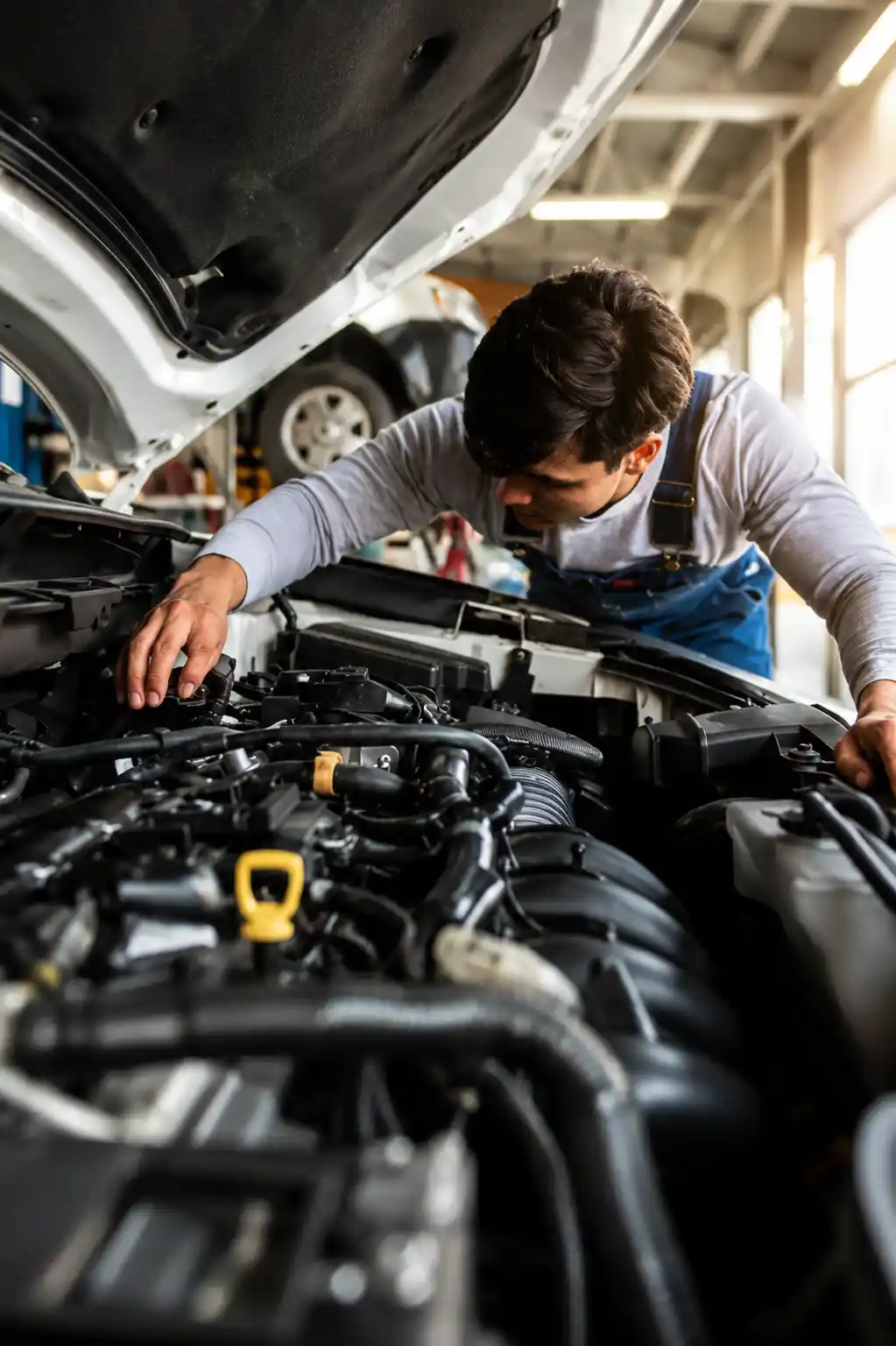
Preventative maintenance is not the same as collision repair or body repair.
Preventative maintenance focuses on keeping the vehicle running safely and reliably.
Collision and body repair focus on accident damage, dents, scratches, paint damage, bumpers, panels, and frame concerns.
Use preventative maintenance when your concern involves:
- oil changes
- fluids
- filters
- belts
- tires
- brakes
- batteries
- routine inspections
- service intervals
Use body or collision repair pages when your concern involves accident damage, bumper damage, dents, scratches, paint damage, or frame concerns.
What to Bring to a Maintenance Appointment
Before a maintenance visit, bring helpful information.
This may include:
- current mileage
- warning-light details
- last oil change date
- recent repair history
- service records
- unusual noises
- fluid leak location
- driving concerns
- owner’s manual, if available
Clear information helps the shop understand your vehicle faster.
Related CollisionFix Guides
If you want to learn more about vehicle care, these guides can help:
- Signs Your Car Needs a Mechanic
- How Often Should You Change Your Oil?
- Transmission Service vs. Transmission Repair
- Auto Body Repair Process
For all guides, visit the auto body repair resources page.
Schedule Preventative Maintenance
You do not have to wait for a breakdown.
If your vehicle is due for an oil change, fluid check, filter replacement, belt inspection, tire check, battery test, or routine inspection, CollisionFix can help you understand the next step.
Frequently Asked Questions
Preventative maintenance is planned service done before something breaks. For vehicles, it includes routine checks and services that help reduce breakdowns and keep the car reliable.
Preventative maintenance for cars means planned service that helps keep the vehicle running before something fails. It may include oil changes, filters, fluid checks, tire checks, brake inspections, battery tests, and belt inspections.
Preventative maintenance usually includes regular inspections, cleaning, servicing, fluid checks, part replacement, lubrication, tire care, brake checks, and scheduled maintenance based on mileage or time.
A common example is changing engine oil before it becomes dirty enough to affect engine protection. Other examples include replacing air filters, rotating tires, checking brakes, testing the battery, and inspecting belts.
Preventative maintenance may include oil service, filters, fluids, tire pressure checks, brake inspections, battery testing, belt and hose inspections, lights, wipers, and routine safety checks.
Preventative maintenance helps improve safety, reliability, fuel efficiency, and vehicle life. It can also help catch small problems before they become expensive repairs.
A vehicle maintenance checklist is a list of items to check or service on a regular schedule. It may include oil, filters, fluids, tires, brakes, belts, battery, lights, wipers, and inspections.
Follow your owner’s manual and manufacturer service intervals. Some checks, like tire pressure and fluid levels, can be done monthly. Other services, like oil changes or filter replacement, depend on mileage, time, and vehicle use.
Service intervals are the mileage or time points when your vehicle should receive certain maintenance services. They help you know when to change oil, replace filters, inspect belts, check fluids, and review major systems.
No. Preventative maintenance is planned service before something breaks. Repair happens after a part fails, damage appears, or the vehicle stops working correctly.
No maintenance plan can prevent every breakdown, but regular service can reduce the risk of common problems caused by worn parts, low fluids, weak batteries, dirty filters, or ignored warning signs.
Skipping maintenance can lead to dirty oil, clogged filters, worn brakes, weak batteries, cracked belts, low fluids, overheating, poor performance, and higher repair costs later.
Schedule maintenance when your vehicle is due by mileage, time, warning light, service reminder, or visible wear. You should also schedule service if you notice leaks, noises, poor braking, overheating, or starting problems.